
Is the Social Media algorithm effect impacting us and and what we see? As a viewer of various art forms on social – is there a difference in what you tap (like) versus what you buy for your home? As an artist, do you create work based on social trends and/or what inspires you?
From a photography standpoint, is there a noticeable difference between how we look at photographs online and how we experience them in our homes.
On a phone, images compete for fractions of attention. A thumb pauses. A color catches the eye. Maybe there’s a double tap before the image disappears beneath the next wave of content.
But stand in front of a photograph framed on a wall and something changes. You linger longer. Different details come into view versus the last time you looked. Feeling emerges when you step into the frame instead of simply reacting to it.
Somewhere between the scroll and the living room wall, our relationship with photography (and other art forms) shifts. Increasingly, the social media algorithm effect is shaping that transition whether we realize/like it or not.
Former Facebook executive Chamath Palihapitiya described social media as built around “dopamine-driven feedback loops.”
Technology ethicist Tristan Harris has similarly warned that platforms compete for attention itself — shaping what people see and how long they stay with it.
Social Media Algorithm Effect: Color, Dopamine and the Science of Attention
First, what is Dopamine? Dopamine is the brain’s reward-driven neurotransmitter, released when something captures our curiosity or excitement. Striking color, strong contrast, and visually intense imagery can trigger dopamine responses that encourage us to pause, engage, and continue scrolling. These responses makes those images particularly powerful in social media feeds designed around gaining attention.
In environments designed to reward engagement, what stimulates dopamine often becomes what the algorithm chooses to amplify.
Research into visual psychology shows that intense color contrast and high saturation stimulate stronger emotional responses in the brain. Bright reds, luminous oranges, and deeply saturated blues activate reward pathways associated with novelty and stimulation.
In short, vivid imagery feels exciting. That reaction isn’t accidental.
Platforms such as Instagram prioritize engagement. Images that stop someone mid-scroll tend to travel farther across feeds. Dramatic skies, amplified tones, and hyper-defined textures naturally command attention in a fast-moving digital environment.
The algorithm then notices what holds people longer. More engagement leads to more visibility. And, more visibility reinforces a particular visual style. In that space, we become to the algorithm what we tap, like and share – not who or what we initially followed. We are now being enticed to follow what they want us to follow.
Plus, over time, viewers begin to believe that heightened saturation or dramatic contrast images represents the standard for compelling photography. This is not because it’s the only meaningful approach. These images perform exceptionally well inside a system designed around speed and reaction.
Photography is Always an Interpretation
Photographers document their reality. This reality reflects how they feel, see at the time of capture. In post, another layer of their reality – what they want to see and the viewer to see takes hold. Another form of photographer reality is documenting based on what sells within the social media algorithm effect.
Long before digital editing tools existed, artists shaped their images through darkroom techniques — dodging light, burning shadows, adjusting exposure, and altering tonal balance to reflect emotion rather than strict accuracy.
Today’s tools simply make those choices more accessible.
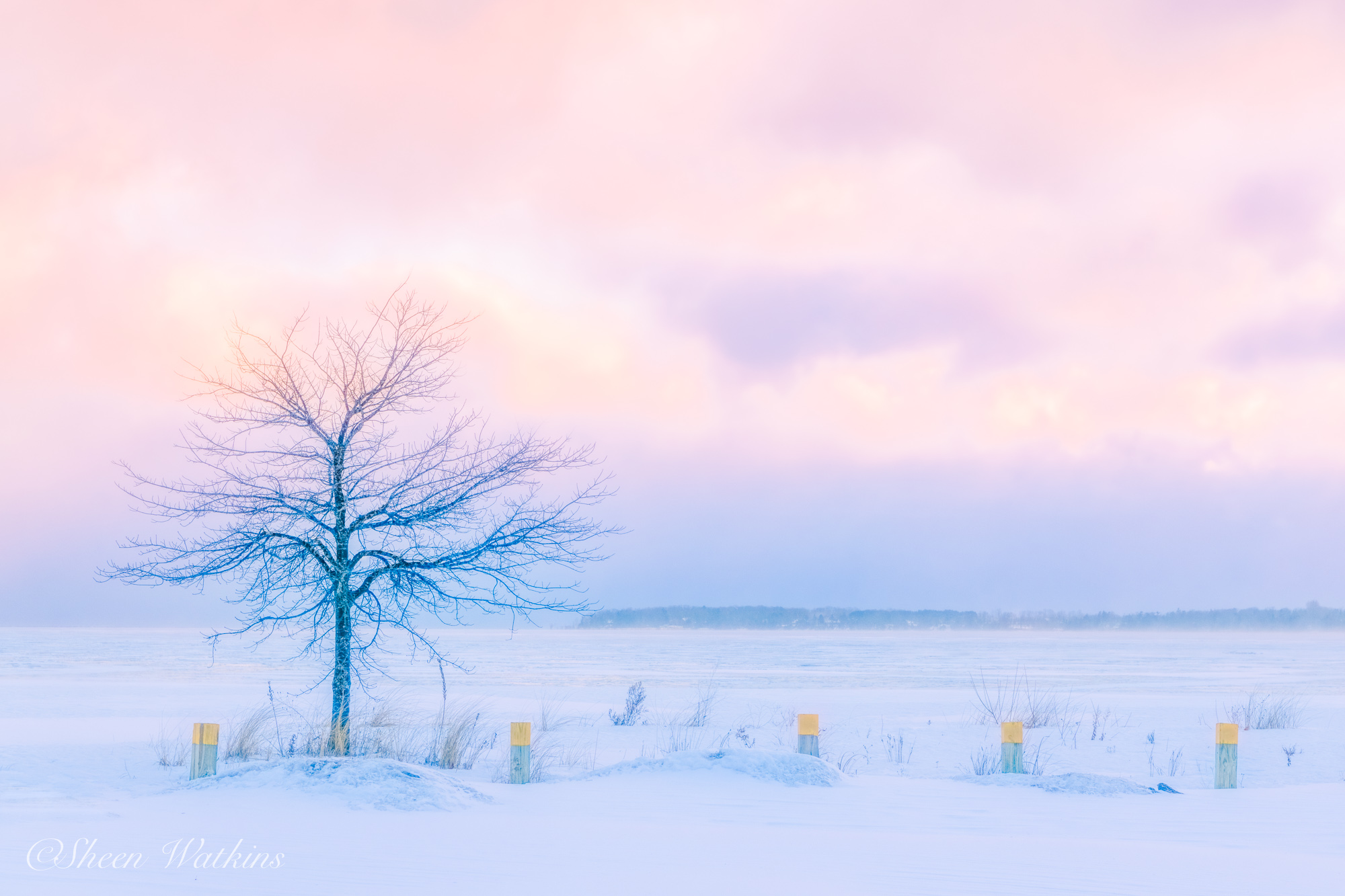
Some photographers soften light until it resembles memory. Others elevate drama through contrast and saturation. Some remove color altogether, allowing form and atmosphere to carry the narrative.
None of these approaches are wrong. Editing choices are expressions of intention. Photography has always been about interpretation — not imitation. We each create our final work with our own personal stamp.
Yet, are we defining our personal stamp to that of the algorithm which targets imitation & repetition or staying true to our own unique style? The line is a fine one indeed!
Here are a few examples of artists who’s works are energizing, unique and portray unique use of artistry in light, shadow, tonality and perspective. Links take you to their website or social page:
- Tara in Abstract – a unique voice in photographic minimalism, use of color, abstracts
- Forrest Funk – aerial imagery, landscapes across seasons – especially in Western US and Canada
- Michael Bittle – specializing in Las Vegas area views, fun and unique style capturing the essence of Vegas, displays diversity in nature landscape work
- Anne Belmont – flower photographer extraordinaire, use of depth of field, color, texture and light
- Richard Bernabe – one of the masters of our day, wildlife, landscapes, global travel, imagery that puts you in his space
When the Scroll Starts Choosing for Us: Social Media Algorithm Effect
What’s fascinating isn’t how photographers edit. It’s how viewers begin to lose track of what they personally love.
Spend enough time immersed in highly saturated imagery and expectations subtly recalibrate. Natural tones may appear subdued by comparison. Atmospheric, pastel and neutral scenes risk lack of observance. It’s simply because they don’t compete on a small screen at maximum volume within a crowded feed.
And yet, step inside people’s homes and a different story often appears.
Soft landscapes. Fog drifting across water. Black and white portraits. Images chosen for presence rather than impact.
The artwork people live with does not always mirror the intensity of what captures attention online. Because the purpose is entirely different.
Online images compete. Art at home accompanies.

Living With an Image Is Different Than Reacting to One
A photograph hanging in a home becomes part of daily life. Morning light moves across it. Seasons change around it. Conversations happen beneath it.
An image designed to thrill for three seconds on a screen may feel overwhelming in your living space.
Meanwhile, a photograph that barely registered during a quick scroll enriches your personal living space environment. Mood creates desired ambience. Imagery ignites, calms or does something in between.
The photographs that endure often reveal themselves gradually rather than instantly.
There Is No Correct Way to Create
Bold color has its place. So does restraint. Some artists create energy. Others create reflection.
Both approaches matter because photography thrives on individuality.
The concern arises only when popularity begins masquerading as preference — when algorithms influence taste without your permission. Those artists and friends you followed? They do not typically show up in the algorithm assigned to you unless you force it over and over.
A photograph receiving thousands of likes may not be the one you want greeting you every morning. And sometimes the image you nearly missed online becomes the one that gives your room the right vibe.
Author’s Note: Challenge the Social Media Algorithm Effect
The next time an image stops your scroll, stop. Really stop and zoom in to the details. The color, the feeling, the moment. Consider the following questions. Do I want to live with this? Will this anchor how I want my space to feel? Does is shout and keep me awake like I need it to? Or, does it calm and promote a sense of space that I desire?
Photography exists in many forms — fleeting moments of excitement and lasting companions alike. Some images demand attention. Others earn it over time.
Somewhere between those two experiences is where our personal taste lives.
For related reading: Framing the Future: Is Social Media Transforming Our Photography?
